

Learn how to install garage door weather stripping like a pro with our easy-to-follow guide. Stop drafts, improve energy efficiency, and protect your garage from the elements today!
Maintaining a well-sealed garage door is crucial for homeowners who want to enhance energy efficiency, block pests, and prevent drafts. One of the best solutions for this is installing garage door weather stripping. Learning how to install garage door weather stripping can significantly improve your garage’s comfort and protection. Garland Garage & Overhead Doors provides expert support for all your garage door needs.
In this guide, we’ll walk you through every step of how to install garage door weather stripping. From selecting the right materials to ensuring proper fitting, we’ve got you covered. This manageable weekend project will not only improve your garage’s functionality but also its energy efficiency. Garland Garage & Overhead Doors is always here for any additional help you need.
What You’ll Need to Install Garage Door Weather Stripping
Before starting your weather stripping installation, it’s essential to have all the necessary tools and materials prepared. Being fully equipped helps avoid interruptions and ensures the process goes as smoothly as possible. Here’s a list of what you’ll need:
- Garage door weather stripping – Make sure you have the correct type: bottom seal, top seal, and side seal.
- Utility knife or heavy-duty shears – For cutting the weather stripping to the right size.
- Screwdriver or power drill – To remove and install screws securely.
- Cleaning cloth and mild detergent – Clean the door edges before installation for better adhesion.
- Measuring tape – Measure the length and width accurately to avoid mistakes.
- Adhesive – Only needed if you’re using peel-and-stick weather stripping.
- Step ladder – Makes it safer and easier to reach higher parts of the garage door.
Having everything ready will make your DIY project faster and more efficient.
Step 1 – Measure and Clean Before Installation
Measure for Accuracy
Begin by measuring the width of the bottom of the garage door, the height of each side, and the width across the top. These dimensions will determine how much weather stripping you need to buy and cut. Always double-check your measurements to avoid gaps or wasted materials.
Clean the Surface
Next, thoroughly clean the installation areas. Dirt and residue can prevent adhesive from sticking properly and may cause your weather stripping to peel away prematurely. Use a cloth with mild soap and water, then let the surfaces dry completely before continuing.
Step 2 – Cut and Align the Weather Stripping
Cutting the Right Lengths
Lay the weather stripping flat and cut it to the lengths you previously measured. Use a utility knife or shears to make clean, straight cuts. Label each piece (bottom, left side, right side, top) if necessary to avoid confusion during installation.
Lining It Up Properly
With the garage door closed, align each piece so it slightly presses against the door or threshold, forming a seal without bending or bunching. Correct positioning is crucial for keeping moisture, insects, and air out.
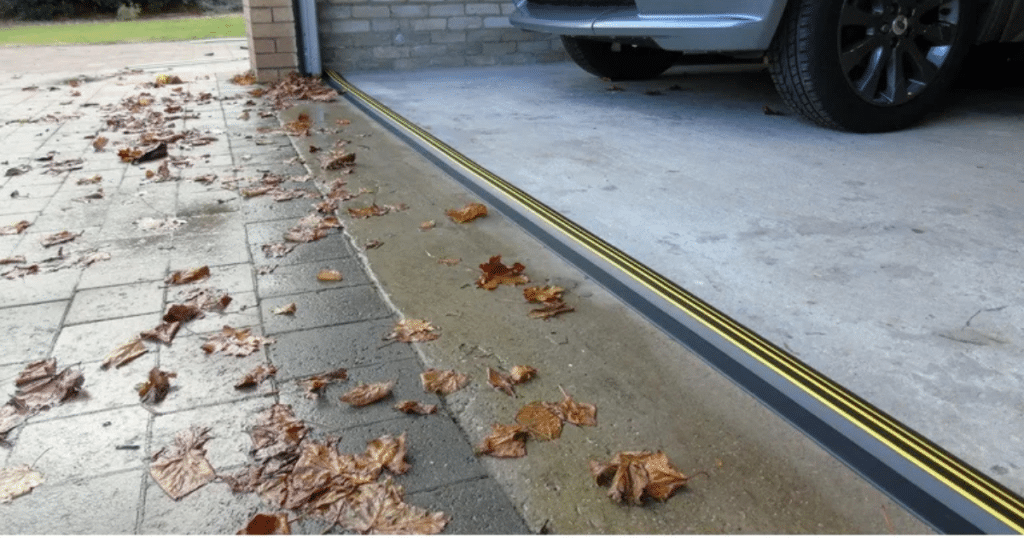
Step 3 – How to Install the Bottom Garage Door Seal
There are different types of bottom seals: T-style, bulb-style, or threshold seals. Choose the one compatible with your door.
- For T-style and bulb-style, slide the seal into the track on the bottom edge of the door. If your door doesn’t have a track, you’ll need to screw or nail the weather seal directly to the bottom
- Ensure the door is closed to get a proper fit. The seal should lightly compress against the ground without creating resistance when the door opens.
Check for even contact with the floor from one side of the door to the other. Adjust as needed.
Step 4 – Seal the Sides and Top of the Garage Door
Now move to the vertical sides and horizontal top edge of the garage door frame.
- Close the door to get a snug seal. Starting with one side, hold the weather stripping flush against the frame so it lightly presses against the door when closed.
- Secure it in place using nails or screws. Repeat the process on the other side, then across the top.
- Avoid overtightening the material, which can cause warping or gaps over time. The seal should provide gentle pressure without bending the stripping or the door.
This creates a tight barrier that insulates your garage while maintaining smooth operation.
Step 5 – Test the Fit and Adjust if Needed
Once installed, test your garage door by opening and closing it a few times. Watch for any rubbing, resistance, or dragging from the new seals. Check for light peeking in from the edges or any air drafts.
If the seal is too loose or too tight, make small adjustments. It should be tight enough to block air and pests but loose enough to allow the door to function properly.
How to Maintain Garage Door Weather Stripping
Installing garage door weather stripping is an essential step in protecting your home from the elements, but maintaining it ensures its longevity and effectiveness. Follow these simple steps to keep your weather stripping in top condition:
- Wipe it down twice a year: Use a damp cloth to clean the weather stripping, removing dust, grime, or any insects that might accumulate. This helps prevent buildup that could affect its seal.
- Inspect for damage: Regularly check for any cracks, tears, or stiffness, especially after harsh weather like winter or heavy rain. Damaged stripping can lead to leaks and energy loss.
- Replace when necessary: Weather stripping should be replaced every 2 to 3 years, or sooner if you notice any significant deterioration or wear. Keeping it in good shape is key to maintaining insulation and preventing drafts.
Routine maintenance ensures your garage stays protected and can extend the life of both your weather stripping and new garage door.
Avoid These Mistakes When Installing Weather Stripping
Skipping essential steps or using incorrect techniques can lead to subpar performance or a failed seal. To ensure your weather stripping is effective and durable, avoid these common mistakes:
- Not cleaning the frame or door before installing: Dust, dirt, or grease can prevent proper adhesion and lead to air leaks.
- Cutting the stripping too short or too long: Measure accurately to ensure a snug fit. Stripping that’s too short or too long won’t seal properly.
- Over-tightening screws, causing the seal to warp: Tighten screws just enough to hold the seal in place without distorting it.
- Choosing the wrong type or size of weather stripping: Select the appropriate material and size based on your door’s dimensions and needs.
- Leaving gaps where air or pests can sneak in: Ensure the stripping completely seals all gaps for maximum protection.
Taking the time to do the job correctly will ensure lasting protection and energy efficiency for your garage.

Frequently Asked Questions
What is the best weather stripping for garage doors?
The best weather stripping for garage doors is vinyl or rubber due to their durability and flexibility. Bulb-style bottom seals and U-shaped rubber seals provide excellent long-term performance, offering effective insulation and protection against weather elements, preventing drafts and moisture from entering your garage.
How long does garage door weather stripping last?
Garage door weather stripping typically lasts between 2 to 5 years, depending on the materials and weather conditions. Regular maintenance can extend its lifespan, but exposure to sunlight, moisture, or extreme temperatures can accelerate wear, necessitating more frequent replacements to maintain optimal performance.
Can I install garage door weather stripping myself?
Yes, installing garage door weather stripping is a DIY-friendly task. With basic tools like a utility knife, screwdriver, and tape measure, most homeowners can complete the job in under two hours. Following a step-by-step guide ensures a secure, efficient installation that improves insulation and energy efficiency.
What tools do I need to install weather stripping?
To install weather stripping on a garage door, you’ll need a tape measure, utility knife, screwdriver or drill, ladder, and potentially adhesive. These tools are simple to find at any local hardware store and are essential for accurate installation, ensuring a proper seal and long-lasting performance.
Why is there light coming in around my garage door?
Light coming through gaps around your garage door typically indicates damaged, misaligned, or missing weather stripping. Replacing or adjusting the seals will restore the barrier, improving your garage’s insulation and security. A proper seal also helps in preventing energy loss and keeping out pests and moisture.
Final Thoughts – Seal the Deal
Installing weather stripping on your new garage door is an affordable and effective solution to safeguard your home against drafts, pests, moisture, and energy loss. With the proper tools and straightforward steps, you can complete the task quickly, ensuring that your garage remains comfortable and protected year-round.
By adding weather stripping, you’re enhancing your home’s energy efficiency and preserving the longevity of your garage door. This simple yet crucial project is a smart investment that offers long-term benefits, saving you money on energy bills and preventing unnecessary wear and tear on your garage door.
End Note
Garland Garage & Overhead Doors is your trusted partner for high-quality, long-lasting garage solutions. Whether you’re looking to install weather stripping, upgrade your garage door, or secure your property with custom driveway gates, our experienced team is ready to deliver top-tier service with precision and care. Learn more about who we are at About Us, view our craftsmanship in the Gallery, and explore our full Service Options.
Ready to take the next step? Visit our homepage to get started, or head straight to our Contact Us page to speak with a specialist. Don’t forget to check out our custom Driveway Gates for that extra layer of security and style. With Garland Garage & Overhead Doors, you’re not just getting a service—you’re investing in expert care and long-term value.