
Discover essential parts for a garage door opener, how they work, and when replacement is needed for safety.
A garage door opener may appear simple at first glance, but its reliable function depends on a complex assembly of components working seamlessly together. From the motor and drive system to sensors, remotes, and safety mechanisms, each element plays a critical role in the smooth operation of your garage door. When one component breaks down, it can cause performance issues, safety hazards, or complete system failure. That’s why understanding the parts of a garage door opener is crucial for any homeowner looking to avoid inconvenient and expensive breakdowns.
For homeowners needing trusted service and expert guidance, Garland Garage Door offers professional support for diagnosing, replacing, and maintaining all the essential parts of your opener system. Their team helps customers identify which components may need repair or upgrades, explains how each part functions, and ensures your system operates at peak efficiency. Whether you’re troubleshooting a problem or learning more about parts for a garage door opener, Garland Garage Door is your go-to local expert.

Understanding the Essential Parts for a Garage Door Opener
Whether you’re dealing with a noisy opener or one that won’t budge, the issue likely stems from one or more of these core components.
Drive Mechanism (Chain, Belt, or Screw Drive)
The drive mechanism is responsible for physically lifting and lowering the garage door.
This part is available in three primary types: chain drive, belt drive, and screw drive. Chain drives are durable and cost-effective, but can be noisy. Belt drives offer quieter performance, ideal for attached garages, while screw drives provide robust, low-maintenance operation.
Over time, any of these mechanisms can stretch, wear, or become misaligned, affecting door movement. If your garage door jerks, hesitates, or makes loud noises, your drive system may be the culprit.
Motor Unit
The motor is the power center of your garage door opener system.
It supplies the force needed to move the door and often contains integrated lights and backup batteries. Signs of motor trouble include humming noises, overheating, or a motor that runs without moving the door.
If your opener’s motor is acting up, Garland Garage Door can help diagnose the issue and determine if a replacement or repair is needed.
Limit Switches
Limit switches tell the opener when to stop moving the door.
These tiny sensors set your garage door’s top and bottom travel limits. If they become misaligned or fail, the door might not close fully or reverse unexpectedly.
Calibrating or replacing limit switches is often a quick fix that restores smooth operation and prevents safety hazards.
Gears and Sprockets
These internal components transfer power from the motor to the drive system.
Gears and sprockets wear down over time, especially in older systems or high-use households. Grinding noises, slippage, or inconsistent door movement often signal a worn gear set.
Replacing these parts can prevent motor strain and restore balance to your opener system.
Safety Sensors
Located near the base of the door, safety sensors detect objects in the door’s path.
They are essential for preventing accidents and injuries and are legally required on modern openers. If the door won’t close or reverses frequently, dirty or misaligned sensors are often to blame.
Regular cleaning and alignment can solve most issues. When sensors stop working, Garland Garage Door offers fast replacements to restore safety and compliance.
Remote Controls and Receivers
These allow wireless operation of your opener from inside your car or home.
Problems with remotes or receivers may present as delayed responses, dropped signals, or total unresponsiveness. This could be due to dead batteries, signal interference, or internal receiver failure.
New remotes or updated receiver units are often available and easily paired with your system.
Circuit Board and Wiring
The circuit board acts as the control center or “brain” of the garage door opener.
It processes signals from remotes, keypads, and wall controls. Power surges, water exposure, or age can damage the board, resulting in erratic operation or complete failure.
These parts are not DIY-friendly. For safe, accurate repairs, call the professionals at Garland Garage Door.
Common Signs That a Garage Door Opener Part Needs Replacement
Many opener issues can be traced to a single worn or failing part. Here are some signs to watch for:
- The door opens or closes halfway: Likely a problem with limit switches or the drive mechanism.
- The motor runs, but the door doesn’t move: This often indicates broken gears, a worn-out drive, or disconnected components.
- Grinding or humming sounds: Could signal gear wear, drive issues, or motor strain.
- If the remote or the wall control does not respond, there may be a problem with the remote, receiver, or circuit board.
If you notice any of these symptoms, it may be time to inspect the parts of a garage door opener before bigger problems occur.
Can You Replace Parts for a Garage Door Opener Yourself?
Homeowners can handle some basic maintenance, but other repairs require professional support.
DIY-Friendly Repairs:
- Replacing remote batteries
- Cleaning and realigning safety sensors
- Resetting remotes or keypads
Professional Repairs Needed For:
- Motor replacement
- Circuit board failure
- Broken gear assemblies or drive systems
Attempting complex repairs without the right tools or expertise can void warranties or cause further damage. Garland Garage Door provides licensed service and reliable parts for every major opener model for safe, long-lasting results.
How Garland Garage Door Helps with Garage Door Opener Repairs
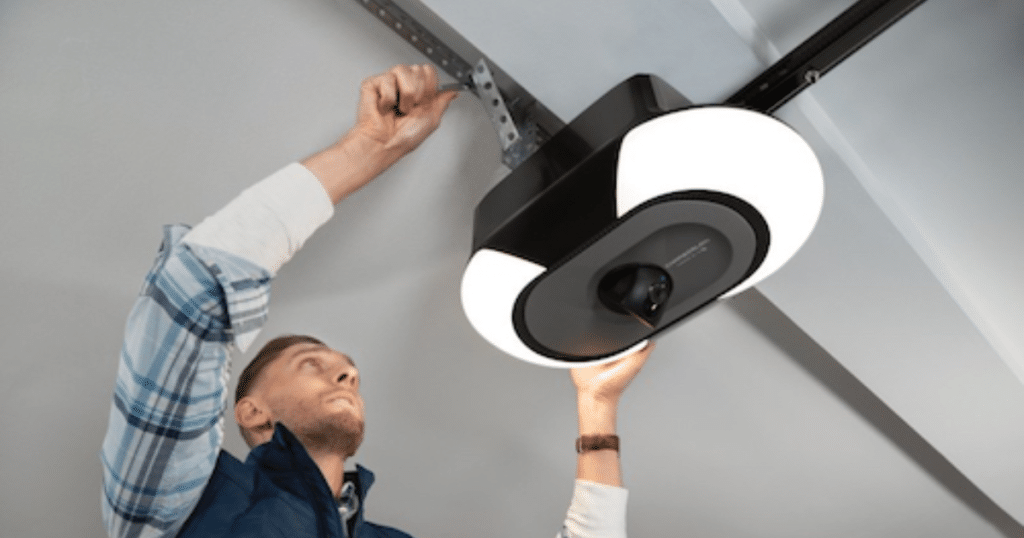
When something goes wrong with your opener, fast and accurate service matters.
Garland Garage Door specializes in repairing and replacing garage door opener parts. Our technicians are highly trained, experienced with all opener systems, and equipped with the tools to do the job correctly.
Here’s how we support our customers:
- Exact part matching for safe and seamless replacements
- Upfront pricing with no hidden fees
- Fast turnaround times to minimize downtime
- Preventive maintenance programs to keep your opener working longer
Whether you need a new sensor, gear kit, or circuit board, we handle the repair from start to finish, so you don’t have to worry about trial and error.
FAQ: Parts for a Garage Door Opener
What Is Included in a Garage Door Opener?
A garage door opener typically includes the motor unit, rail or track, trolley, emergency release cord, safety sensors, wall switch, and remote controls. Some models may also feature innovative remote access technology. These components raise and lower the garage door automatically and safely.
How to Fix a Garage Door Opener?
First, check the power source and remote batteries to fix a garage door opener. Then, inspect the safety sensors for alignment and cleanliness. Adjust the travel limits or force settings if the door won’t open or close properly. For motor or gear issues, consult the user manual or call a technician.
What Are Garage Door Sections?
Garage door sections are the horizontal panels that make up the door’s structure. These panels are typically hinged together, allowing the door to bend and follow the track when opening or closing. Most residential doors have three to five sections, depending on their height and design.
What Is the Garage Door Mechanism Called?
The mechanism that controls a garage door’s operation is commonly called the “garage door opener system.” It includes the opener motor, torsion or extension springs, cables, pulleys, and rollers. These components work together to ensure the smooth and balanced movement of the door.
What Are the Parts of a Garage Door Opener?
Key parts of a garage door opener include the motor unit, drive mechanism (chain, belt, or screw), rail, trolley carriage, safety sensors, wall control panel, remotes, and lights. Each part is vital in automating door movement and ensuring safety during daily garage use.
Conclusion
Understanding the essential parts of a garage door opener empowers homeowners to make informed decisions when problems arise. Every part plays a crucial role in system performance, from malfunctioning remotes to worn-out gears or sensors. When issues occur, Garland Garage Door offers the expertise to diagnose and repair problems before they escalate, helping you avoid unexpected costs and disruptions.
Addressing faulty components early extends the life of your entire opener system. Acting fast preserves safety and convenience when dealing with a noisy motor or misaligned safety sensors. Trust Garland Garage Door to inspect, repair, or replace the necessary parts for a garage door opener with dependable service and proven local experience.
End Note
Garland Garage Door is your trusted local partner for diagnosing, repairing, and replacing essential parts for a garage door opener. Whether you’re dealing with a worn-out sensor, malfunctioning motor, or remote issues, our expert technicians ensure every repair is completed quickly and correctly. Explore our full range of services at www.garlandgaragedoor.net, where we’re committed to delivering prompt, professional support to homeowners throughout the Garland area. To learn more about who we are and what sets us apart, visit our About Us page. We also offer installation and maintenance of driveway gates for added security and convenience. Ready to get started? Use our quick Contact Us form or give us a call to speak directly with a member of our team. At Garland Garage Door, reliable solutions are just a click away.
Garland Garage Door
2014 Frances Dr, Garland, TX 75042, United States
+19723277016