Explore the anatomy of garage door systems and why understanding each moving part ensures safety and efficiency.
Understanding the anatomy of garage door systems is essential for any homeowner who wants to keep their property secure and functional. Your garage door isn’t just a panel that moves up and down; it’s a complex system of springs, rollers, cables, tracks, and an opener that all work together. Recognizing how these parts operate can help you spot early signs of wear and tear, preventing costly repairs or unsafe conditions. Garland Garage Door emphasizes the importance of educating homeowners so they can approach garage door care with greater confidence and control.
A well-informed homeowner is better equipped to handle routine maintenance and identify when professional service is needed. Learning the anatomy of garage door components not only promotes safer operation but also extends the lifespan of the entire system. Whether troubleshooting strange noises or planning an upgrade, understanding how your garage door works empowers you to make smarter, more cost-effective decisions. Let our team guide you through the mechanics, so your garage door remains reliable for years.
Garage Door Panels and Sections
The panels form the visible face and structure of the door. Most modern garage doors have sectional panels that allow flexibility during movement. These panels can be insulated to improve energy efficiency and soundproofing.
How Damaged Panels Affect Operation
When garage door panels become dented or misaligned, they can impact the door’s balance and smooth operation. Even minor damage can cause panels to bind or scrape, leading to larger mechanical problems if ignored. Garland Garage Door frequently replaces damaged sections to restore smooth function and visual appeal.
Torsion and Extension Springs
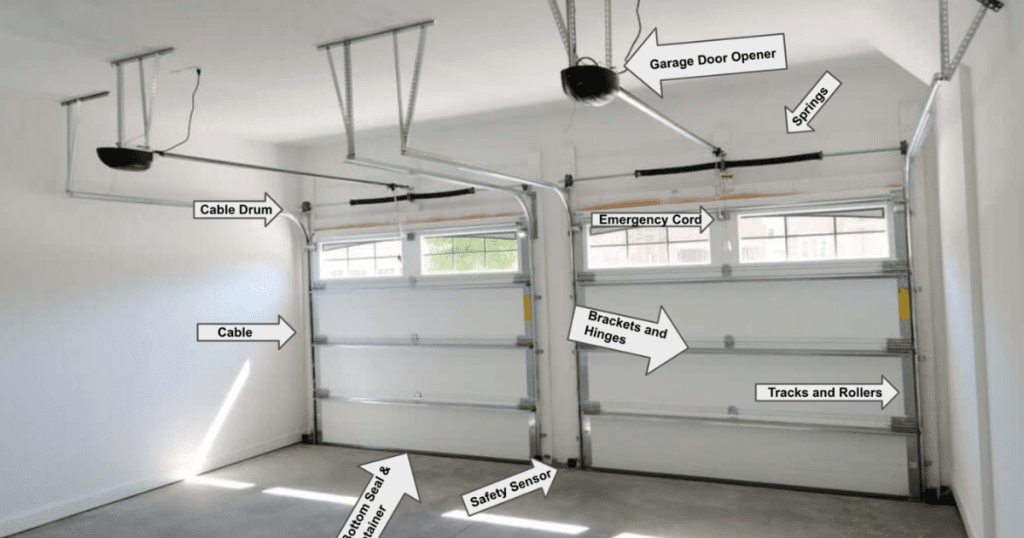
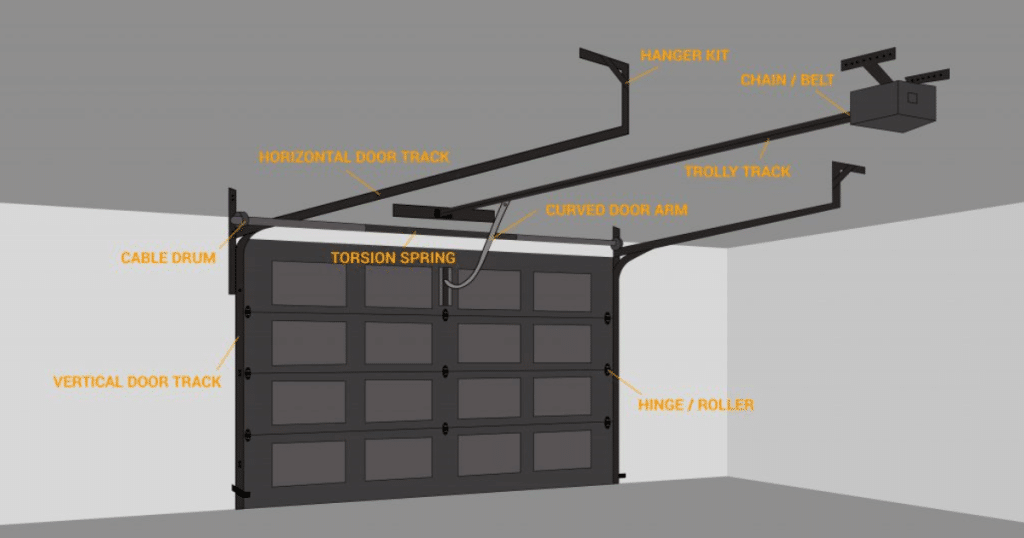
Springs are the muscle of the garage door system. Torsion springs are mounted above the door and rotate to lift, while extension springs stretch and contract along the horizontal tracks.
Safety Considerations with Spring Repairs
Spring failure is common and potentially dangerous. Signs include a sagging door, loud snapping, or uneven opening. Because of the high tension involved, professionals like Garland Garage Door should always handle spring repairs to prevent injury or property damage.
Tracks and Rollers
The tracks and rollers guide the door during its vertical and horizontal travel. Smooth, aligned tracks are essential for balanced movement.
Proper Alignment for Long-Term Performance
Bent or misaligned tracks can cause the door to jam or shift during movement. Regular inspections by Garland Garage Door ensure your system stays aligned and avoids unnecessary strain on other parts.
Garage Door Opener System
The opener system consists of a motor unit, a remote control, a wall-mounted switch, and often safety sensors. This system automates the door’s movement and includes smart features in newer models.
Troubleshooting Common Opener Issues
Before calling for help, check if the power source is connected, the sensors are aligned, and the remote batteries are working. If problems persist, Garland Garage Door can diagnose opener issues and recommend replacements or repairs.
Cables and Drums
Cables wrap around drums attached to the torsion bar and assist in lifting the door by distributing tension.
Signs of Cable Fraying or Slack
Frayed or loose cables are serious safety concerns. If you notice slack cables or hear grinding noises, call Garland Garage Door immediately to avoid sudden failures that could damage the door or injure someone.
Hinges and Brackets
Hinges connect individual garage door panels, allowing them to bend and flex smoothly as the door opens and closes. Brackets secure the door to the track system and provide critical support for the springs and cables. Over time, hinges and brackets can wear down, rust, or loosen, leading to uneven door movement or loud screeching sounds. Regular lubrication and prompt replacement of worn components ensure smooth, quiet, and safe door operation.
Weather Seals and Bottom Rubber
Weather seals are installed along your garage door’s top, sides, and bottom to guard against drafts, moisture, and unwanted pests. The bottom rubber strip, in particular, helps create a tight seal between the door and the garage floor. Although inexpensive and easy to replace, weather seals are often neglected. Cracked or damaged seals can lead to higher energy bills and leave your garage vulnerable to insects, rodents, and water intrusion.
The Full System in Motion
Each part of a garage door plays a role in its safe and efficient operation. When one component fails, it often places added stress on others. For example, broken springs can strain the opener motor, or misaligned tracks can damage rollers.
Full-system knowledge is essential; it helps homeowners recognize early signs of trouble and understand how each part is interconnected.
Why Knowing the Anatomy of Garage Door Matters
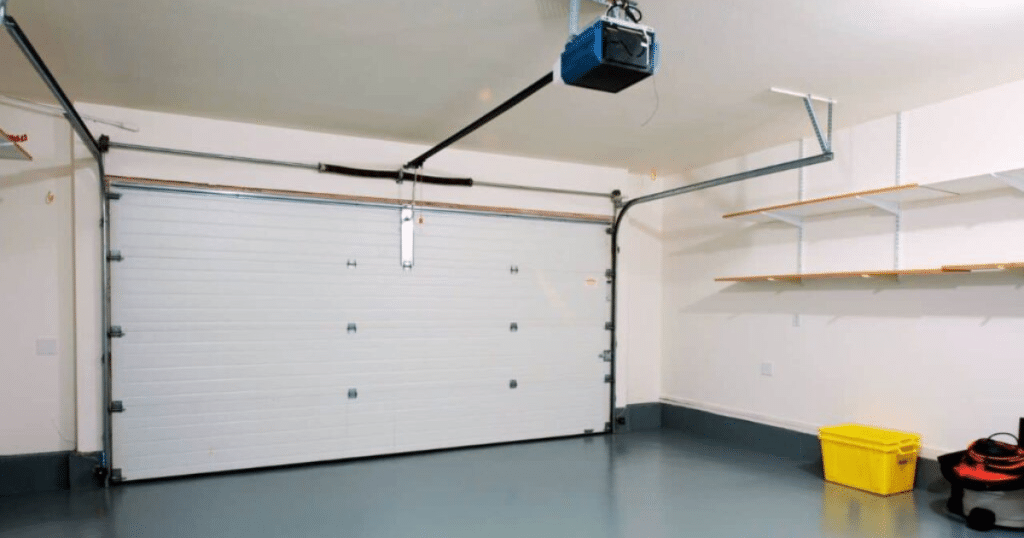
Understanding the anatomy of a garage door system empowers homeowners in several important ways. First and foremost, it enables clearer and more effective communication with technicians when service is needed. Instead of saying, “The thing isn’t working,” you can accurately reference parts like the torsion spring, opener motor, or safety sensors, saving both time and guesswork during repairs.
Secondly, familiarity with the components of your garage door helps you identify minor issues before they become expensive problems. For example, recognizing a misaligned track or hearing unusual tension in the springs can signal the need for immediate attention. Catching these red flags early can prevent major system failures or safety hazards.
Lastly, knowing your garage door’s structure promotes proactive maintenance. Homeowners who understand which parts need regular lubrication, inspection, or adjustment tend to get more years of reliable performance from their system. With some knowledge, you can take a more confident, hands-on role in preserving your garage door’s function, safety, and long-term value.
How Garland Garage Door Helps Maintain Every Part
Garland Garage Door offers comprehensive inspections that evaluate every part of your garage door system, from springs and cables to tracks and seals. Our technicians explain each problem clearly and provide repair options tailored to your system’s age and condition.
We also offer preventative maintenance plans that help you avoid major breakdowns and extend the lifespan of your garage door system. With local knowledge and same-day service, Garland Garage Door is the trusted expert for homeowners in the area.
FAQ: Anatomy of Garage Door
What are the garage door parts?
Garage door parts include panels, hinges, rollers, tracks, torsion springs, extension springs, cables, pulleys, and the garage door opener. Each component plays a vital role in the door’s movement, balance, and safety. Regular maintenance of these parts helps ensure smooth operation and extends your garage door’s lifespan.
What are garage door sections?
Garage door sections refer to the horizontal panels that make up the door’s surface. Most modern garage doors have three to five hinged sections, allowing the door to bend as it opens and closes. These sections provide flexibility, insulation, and support for the entire door system.
What is the part called that opens the garage door?
The part that opens the garage door is called the garage door opener. This motorized device lifts and lowers the door with the help of a drive mechanism, typically a chain, belt, or screw. It can be activated by remote control, wall switch, or smartphone for convenience and enhanced security.
What is the bottom part of a garage door called?
The bottom part of a garage door is known as the bottom panel or bottom section. It often houses essential hardware such as brackets, hinges, and the bottom seal. This section is critical for ensuring proper alignment and sealing the gap between the garage floor and the door.
What is the strip at the bottom of the garage door called?
The strip at the bottom of the garage door is called the bottom seal or garage door weather seal. It prevents dirt, water, and pests from entering the garage while helping to reduce drafts. This flexible rubber or vinyl strip also cushions the door when it closes.
Conclusion
Understanding the anatomy of garage door systems is essential for protecting your investment and ensuring safe operation. Every component, from cables to sensors, plays a role in the door’s balance, strength, and efficiency. A well-informed homeowner is better equipped to handle minor issues before they become costly repairs.
Garland Garage Door is your local expert for garage door part inspections, repairs, and maintenance. Whether you’re dealing with worn springs, faulty rollers, or a misaligned track, our team can diagnose and fix the issue quickly. Contact us today to schedule a professional garage door evaluation and keep your system running at its best.
End Note
Garland Garage Door is your trusted partner for reliable, stylish, high-performance garage door and gate solutions. Whether you’re enhancing curb appeal or improving home security, their comprehensive garage door services and custom driveway gates are designed to meet your needs. Discover more about their values and dedication to quality by visiting the About Us page or exploring the full site at garlandgaragedoor.net. From the first consultation to the final installation, Garland Garage Door ensures a seamless experience rooted in craftsmanship and care. If you’re ready to transform your home’s exterior or address urgent repair needs, don’t wait. Reach out today through the Contact Us page to schedule your appointment or request a free quote. Your home deserves the best—start your upgrade today.
Garland Garage Door
2014 Frances Dr, Garland, TX 75042, United States
+19723277016